Speaking With the Feet: Tatkaar in Kathak
Kathak stands out for its remarkable blend of nritya (pure dance), abhinaya (expression), and nritta (rhythmic technique). Among the foundational elements of this art form is tatkaar – the rhythmic footwork that transforms the dancer’s feet into instruments of percussion. In this extraordinary dance form, dancers do more than move to a beat; they speak with their feet, weaving rhythm, expression, and tradition into one seamless language.
Understanding Tatkaar: The Heartbeat of Kathak
Tatkaar refers to a sequence of rhythmic footwork of Kathak dancers that serves as the backbone of Kathak’s rhythm. The term itself stems from Hindi roots. The syllable “tat” is connected with rhythm and “kar” means “to perform”, making tatkaar essentially a dance of rhythm performed with the feet.
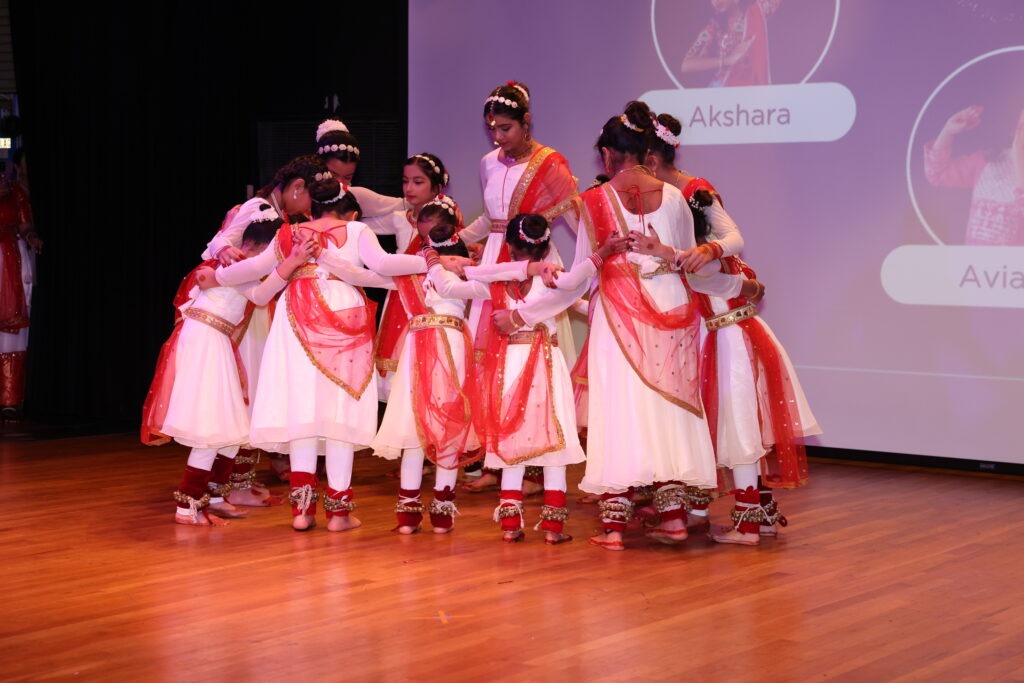
In most terminologies used by Kathak practitioners, tatkaar is described as the dance syllables produced from footwork, embodied in sounds like Ta Thei Thei Tat and Aa Thei Thei Tat. These sounds aren’t random; they are structured syllables synchronized with the beats (matras) of classical rhythms (taals), such as teentaal (16 beats) or dadra (6 beats), giving the dancer a metrical framework to work within.
Unlike many Western dance forms where rhythm is implied through movement, Kathak makes rhythm a physical and audible experience — only through the feet. The dancer’s feet, adorned with ghungroos (ankle bells), act as percussive tools that literally sound the rhythm.
Why Tatkaar Matters
1. Tatkaar Is the Rhythmic Pulse
As kathak dancers stamp and strike the floor with precision and control, they mirror complex rhythmic patterns played by percussion instruments like the tabla or pakhawaj. This creates a metaphorical dialogue of sorts between movement and music and the significance is twofold:
- Rhythmic mastery enables the dancer to navigate complex time cycles (taals) and rhythmic improvisations (layakari).
- Audible footwork ensures that the audience doesn’t just see the rhythm — they hear it.
2. Tatkaar as Musical Expression
While abhinaya is often highlighted for its emotive power in storytelling, tatkaar serves as Kathak’s musical voice. As the feet tap and strike, they produce sounds that resonate rhythmically with the accompanying music, akin to a percussion instrument played by the body itself. Expert Kathak dancers can produce rhythms that are so crisp and articulate that the tabla player might echo their patterns back, creating a shared rhythmic experience.
3. Tatkaar as a Form of Storytelling
While tatkaar is inherently rhythmic, its variations and expressions can communicate mood, pace, and intensity. In narrative pieces, the feet become storytellers.
Although abhinaya through gestures, facial expressions, and body language is central to narrative storytelling, rhythmic variation via tatkaar adds another expressive layer that enhances the overall narrative.
Techniques and Training: The Making of a Tatkaar Specialist
1. Body Coordination and Foot Precision
Executing tatkaar is not simply stamping feet to a beat. It demands finely tuned muscular control, balance, and deep rhythmic sensitivity. The dancer uses the ball of the foot, the heel, and the edge of the foot to produce distinct sounds that match their spoken bols (rhythmic syllables).
This dual requirement of sound production and structural precision is what makes tatkaar both physically and mentally rigorous. It requires years of disciplined practice, often beginning with fundamental exercises that focus solely on rhythm and foot coordination.
2. Rhythmic Language (Padhant)
Before tatkaar is danced, many Kathak students learn to recite rhythmic syllables (bols) in a practice called padhant. This spoken rehearsal of rhythm helps internalize beats and patterns before they are transferred to physical movement. In many traditional settings, dancers recite rhythms aloud, sometimes even before performing them with their feet, reinforcing the mental-musical foundation of tatkaar.
This blending of vocal rhythm with movement underscores one of Kathak’s unique strengths: its fusion of dance with spoken rhythm, making tatkaar as much a musical exercise as a dance technique.
3. Speed (Laya) and Variation
Once the basic tatkaar patterns are mastered, dancers explore laya – variations in tempo and speed. This can range from slow, measured strikes (vilambit) to complex sequences performed at breathtaking rapidity (drut), including double (dugun) and quadruple (chaagun) speeds within the same rhythmic cycle.
Tatkaar Across Kathak Gharanas
Kathak has several gharanas (schools/styles), each with its own interpretation and emphasis on rhythmic footwork. For example:
- The Jaipur gharana is historically known for its rigorous footwork and rapid sequences, where tatkaar often takes center stage.
- The Lucknow gharana, while also technically brilliant, tends to balance footwork with abhinaya, underscoring expressive grace alongside tatkaar.
All in all
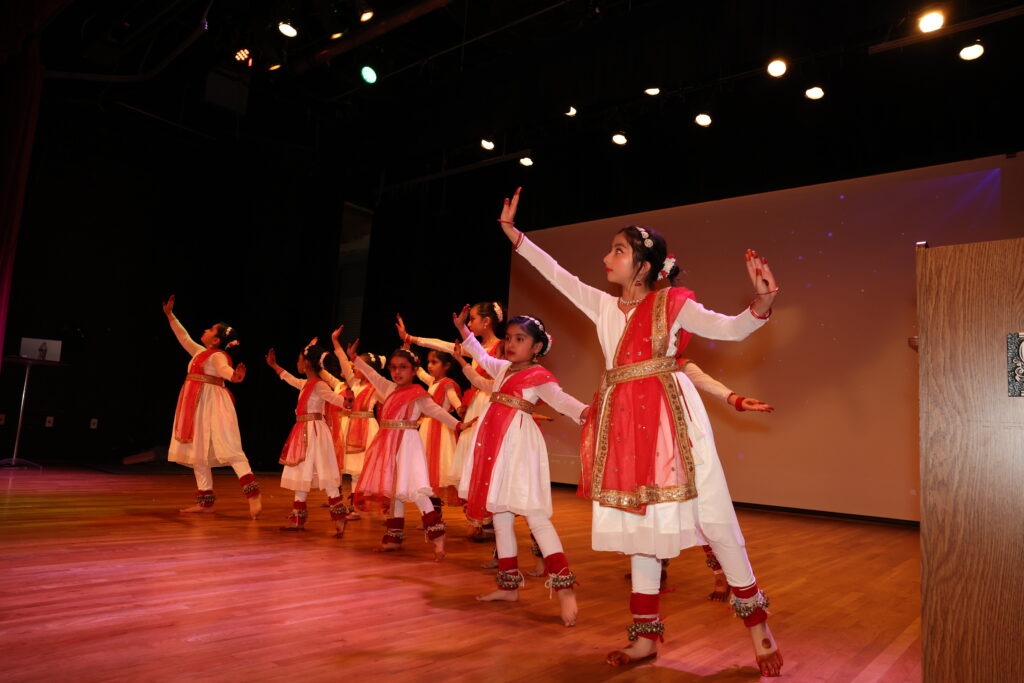
In Kathak, tatkaar, could, albeit metaphorically, be thought of as the very language through which dancers connect with rhythm, music, and audience. The feet don’t simply move; they articulate patterns, converse with percussion, and express the pulse of the dance itself. It could be plausibly argued that through tatkaar, Kathak dancers truly speak with their feet, building bridges between body, music, and soul.

Sruti Kafle
Sruti, the creative head and life behind Shruti’s School of Performing Arts (SOPA), is an accomplished Kathak performer and teacher. A graduate in Kathak from Allahabad University (Kathak Visharad), she has trained extensively through workshops in the Jaipur Gharana while specializing in the Lucknow style.