Understanding Naatya in Kathak: Drama, Story, and Expression
In Kathak, an Indian dance form whose name derives from “kathaa” (the word translates as a ‘story’) understanding Naatya is essential to grasping how this dance form becomes the art of storytelling. Naatya, which can be loosely translated as “dramatic enactment”, is structured around the other two interrelated components we have touched upon before: nritta (pure dance), nritya (expressive dance).
What Is Naatya?
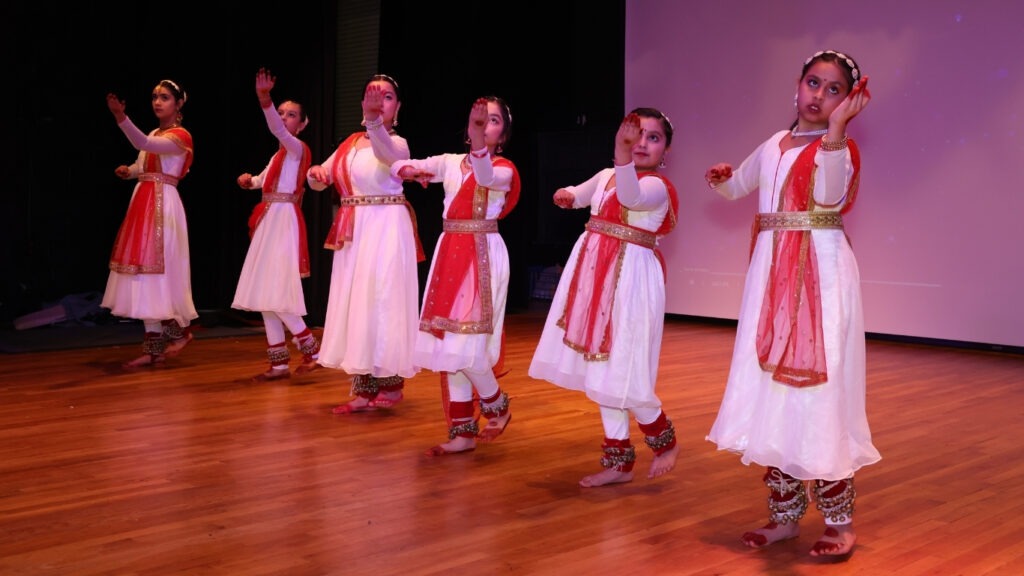
Naatya (नाट्य) literally means dramatic representation or dance‑drama. In classical contexts, it refers to those parts of a performance in which a dancer assumes characters, enacts a story, and conveys narrative meaning through movement, expression, music, and gesture.
Though nritta and nritya are core to most classical forms, naatya is the part where Kathak becomes theatre in motion-where the dancer is no longer just showing rhythm or emotion but telling a specific story through interpretive action.
According to the Abhinaya Darpanam, an authoritative text on dance expression, nāṭya or nataka (drama) traditionally involves a storyline or theme and requires the dancer to portray characters and narrative context rather than merely demonstrate movement or emotion. Only then does Kathak become an adorable art.
A verse of “Natya Kramaha” by Guru Pali Chandra reads (in Romanized Sanskrit):
“Yatho Hasta thatho Drishti,
Yatho Drishti thatho Manah
Yatho Manah thatho Bhaava,
Yatho Bhaava thatho Rasa”
Meaning:
‘Where the hand goes, the eyes must follow
Where the eyes go, the mind must follow
Where the mind goes, so follows the expression
Where the expression goes, so follows the emotion’
Roots in the Natya Shastra
The ancient Sanskrit Nāṭya Śāstra, written between roughly 200 BCE and 200 CE, is the foundational treatise on drama, music, and dance in Indian culture. The text integrates music, movement, gesture, makeup, and stagecraft into a single framework of performance, emphasizing that the goal of art is to transport the audience into deeper aesthetic and emotional experience.
In Nāṭya Śāstra, the term nāṭya itself comes from the Sanskrit root nat, meaning “to act or perform.” This text classifies nāṭya alongside nritta and nritya as the three fundamental aspects of performing arts. This influences Kathak’s structure, even though Kathak’s presentation has evolved over centuries with influences from court tradition and devotional storytelling.
For instance, in Hindu philosophy and classical art, Lord Shiva is referred to as “nataraja” in his cosmic dancer form, where dance symbolizes the fundamental forces of the universe. The word comes from Sanskrit:
- Naṭa (नट) = dancer or actor
- Rāja (राज) = king
- Together, Naṭarāja means “King of Dancers.”
Naatya vs. Nritta vs. Nritya: How They Work Together
To see where naatya fits in Kathak, it helps to review the difference between the three components:
1. Nritta (Pure Dance)
Nritta is rhythm‑centered dance without narrative or expressive intention. It focuses purely on technique, footwork, patterns, and speed, like a display of physical mastery.
For example, tatkaar is a complex rhythmic footwork pattern central to Kathak and to nritta. It’s about precision and sound, not narrative.
2. Nritya (Expressive Dance)
Nritya combines movement with emotion and expression (abhinaya) to convey mood, character, or sentiment, often aligned with the meaning of song lyrics. It uses facial expression, eye movement, and hand gestures (mudras) to communicate emotional content.
For instance, a Kathak dancer might use nritya to show devotion, love, or longing-not just movement.
3. Naatya (Drama or Narrative)
Naatya goes beyond expressing emotion: it is the enactment of a story using a combination of movement, abhinaya, character portrayal, and narrative logic. Here the dancer becomes part actor, part storyteller.
In Kathak, naatya may include:
- Depicting characters from a myth (like Krishna or Radha), with identifiable gestures and emotion.
- Enacting sequence scenes from a narrative poem or song, where the dancer’s movements follow a plot progression.
- Using combined nritta and nritya elements not just for emotion or rhythm but to show cause and effect in story events.
Thus, naatya is where rhythm and expression serve the narrative, not the other way around.
How Kathak Uses Naatya in Performance
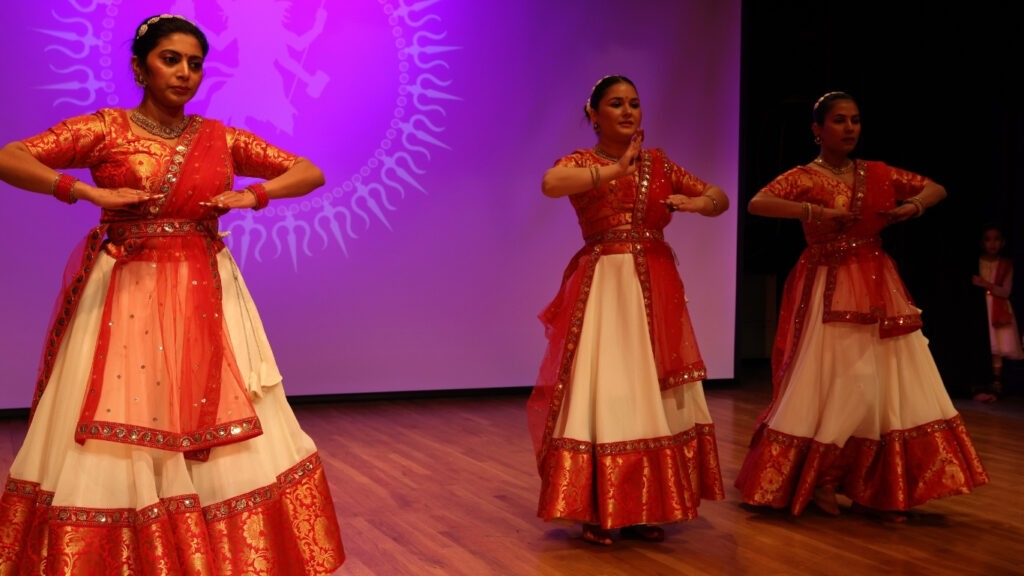
In a Kathak performance, naatya may come into play in the following ways:
Character Roles
The dancer often assumes multiple roles within a single performance-switching between characters using gesture (mudra), expression (abhinaya), and body language. This is naatya in action: storytelling through dance.
Narrative Through Music and Expression
Unlike nritta, which follows rhythmic cycles, naatya depends on lyric content and narrative flow. Kathak frequently sets stories from Hindu epics or devotional compositions, where music, gesture, and expression together advance the plot.
Integration with Abhinaya and Mudras
While nritya uses abhinaya as a tool to convey emotion, naatya uses abhinaya to tell the story itself, e.g., Krishna stealing butter, or Radha expressing longing. The dancer’s face, eyes, and hands become vocabulary for meaning, not just moods.
Ensemble and Dramatic Sequence
In some Kathak presentations, naatya can include interspersed theatrical elements, like dialogues or sung verses, allowing the dancer to act as narrator or character, not just as mover. The nāṭya here becomes a blend of dance and theatre.
Why Naatya Matters
The fact that nāṭya has a defined place in the ancient Nāṭya Śāstra shows that the idea of dance as theatre was never secondary, every classical form incorporates it as part of a larger expressive and aesthetic system.
While nritta showcases technical skill and nritya evokes emotion, naatya completes the artistic intention by connecting the dance to a narrative purpose. This is what makes Kathak not just dance but dance drama.
When a Kathak dancer moves from nritta into nritya, and then into naatya, the performance shifts from physical excellence to human and cultural meaning-from steps to stories.
Naatya is Kathak’s Narrative Heart
Nritta underpins Kathak’s rhythmic and technical base, while Nritya brings emotion and expressive connection to the audience. But is is Naatya that transforms those elements into coherent story and character enactment, fulfilling Kathak’s ancient role as dance theatre.
Together, these elements make Kathak a holistic performing art where rhythm, expression, and story are inseparable parts of a narrative experience-precisely as the classical tradition demands.

Sruti Kafle
Sruti, the creative head and life behind Shruti’s School of Performing Arts (SOPA), is an accomplished Kathak performer and teacher. A graduate in Kathak from Allahabad University (Kathak Visharad), she has trained extensively through workshops in the Jaipur Gharana while specializing in the Lucknow style.